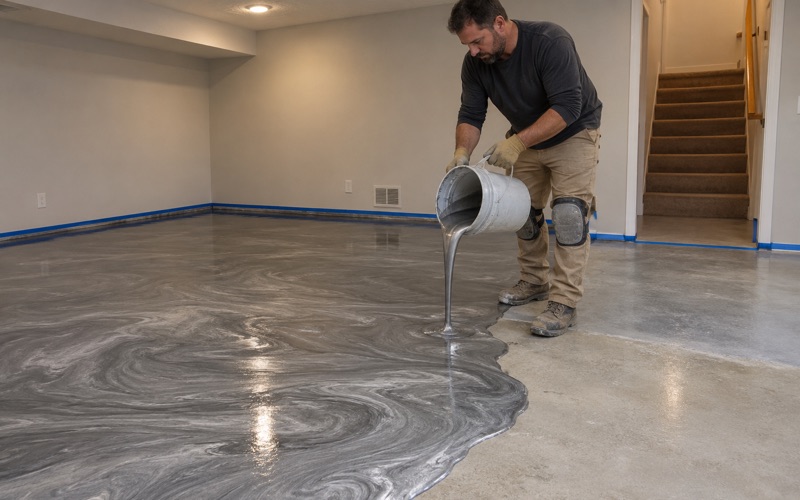
Hoffman Estates Epoxy Flooring has spent more than 20 years on epoxy flooring in La Grange and the communities around our hub, and the floor we think hardest about here is one that is never really dry. A pool deck asks a coating to hold bare wet feet, bond to a slab that carries water, and outlast air heavy with chlorine, all before anyone gets to pick a color.
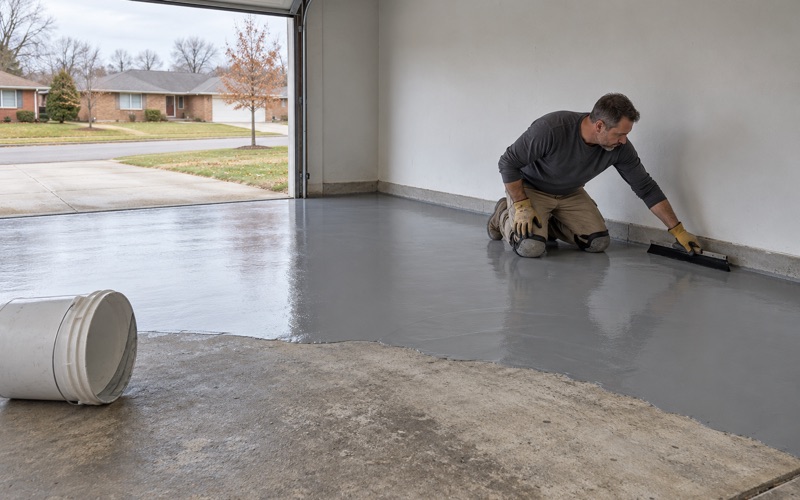
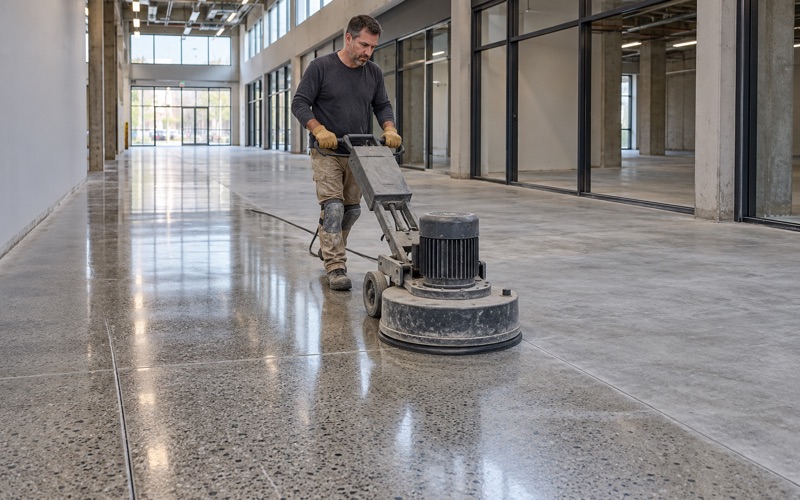
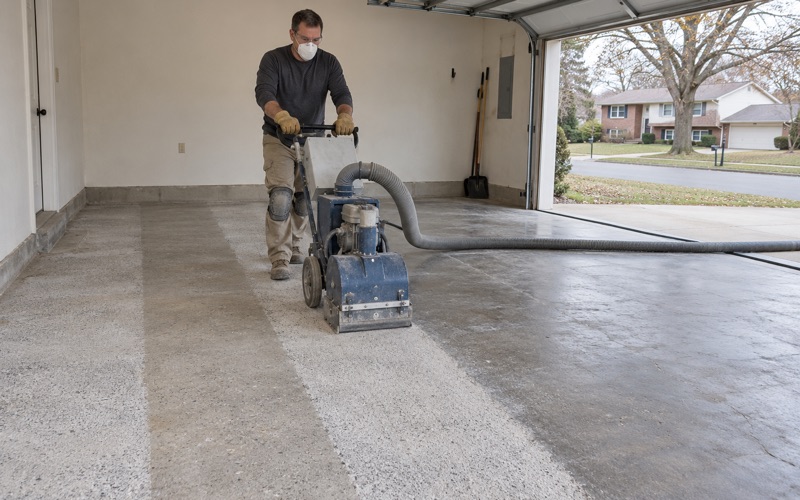
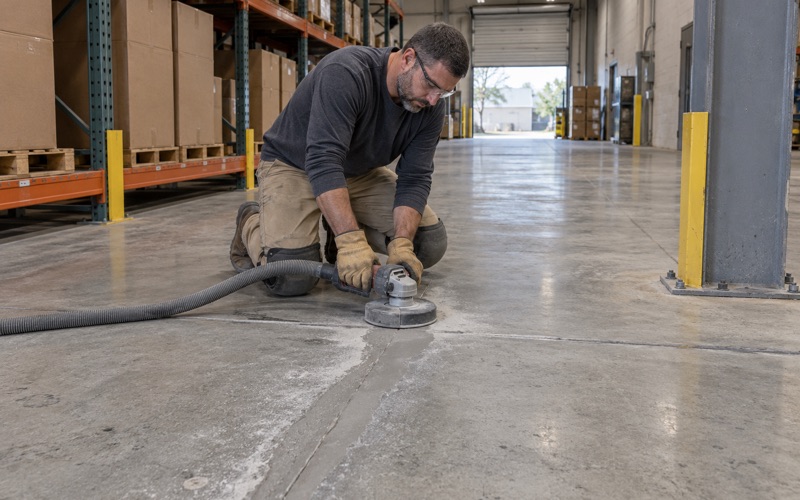
That order of questions shapes how we scope any wet floor, from a commercial deck to a basement shower room. Every slab is opened mechanically with a diamond grinder or a shot blaster before a drop of primer goes down, and we never acid etch. Moisture testing sits on the proposal as its own line item instead of being sold after a blister appears.
The same proposal names the product, the system build and the finished thickness, so an owner can check what went down against what was quoted. What follows is how that thinking applies to an indoor pool deck, the wettest public floor most people in this village ever cross, and what it means for anyone weighing a coating where water lands every day.
A School Pool Open to the Whole District
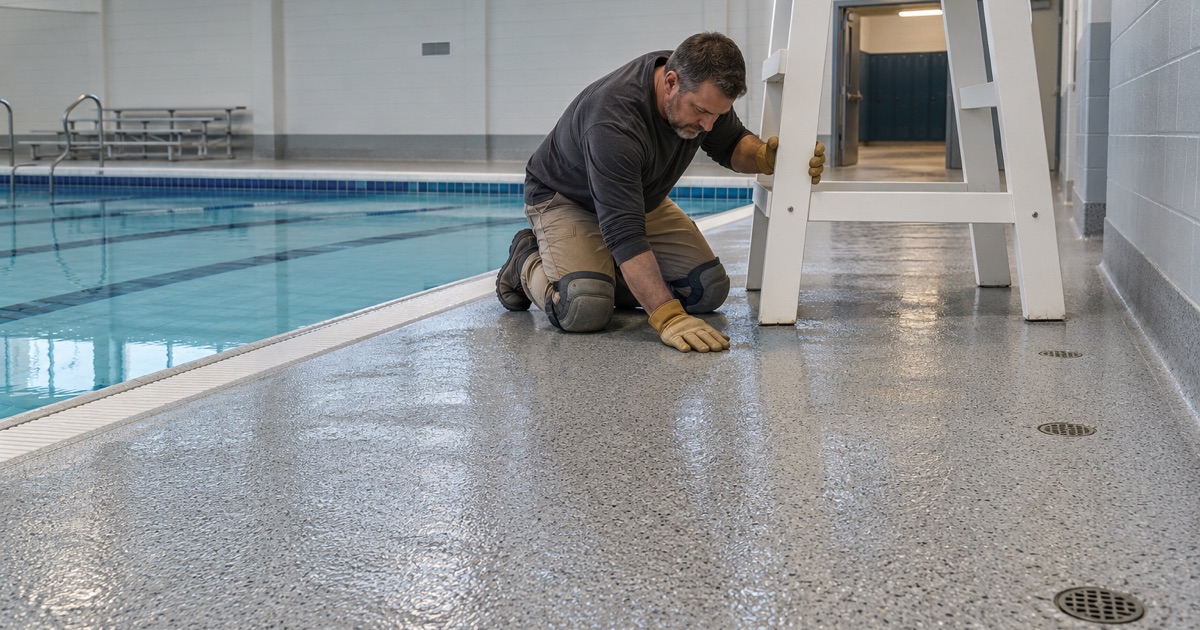
Lyons Township High School District 204 runs two pools, one at South Campus in Western Springs and one at North Campus in La Grange. The North Campus pool sits at 100 S. Brainard Avenue, which the US Census Geocoder places inside the village and inside Lyons Township.
The district holds a free Community Open Swim there for residents who bring a photo ID. The schedule runs Sundays from 11:00 a.m. to 3:00 p.m. and Thursdays from 8:00 p.m. to 9:30 p.m.
The district’s pool page does not say the pool is indoors, but a school pool hosting Thursday-night swims reads that way to us, and we treat it as a natatorium for the purpose of this page. It also gives no deck size, deck finish or renovation history, so we will not describe the deck itself. What we can describe is the kind of floor it is, and why that kind of floor is scoped differently from almost anything else we coat.
Why a public deck changes the stakes
Lyons Township High School is the village’s second-largest employer, with 661 people on the village’s FY2022-23 principal-employer table. A building that size, with an open swim on the calendar, puts students, staff and families of every age on the same wet surface. A deck that serves that many bare feet is a surface where grip is the first specification, not a finishing touch.
Bare feet need texture, not gloss
A smooth epoxy film is easy to clean and handsome under lights, and on a wet deck it is the wrong answer on its own. Grip on a pool deck comes from aggregate broadcast into the coating, not from the resin. In one recreation-center natatorium project published by a coatings manufacturer, aluminum oxide was added to the system for slip resistance, a hard, angular grit that keeps its edges under foot traffic.
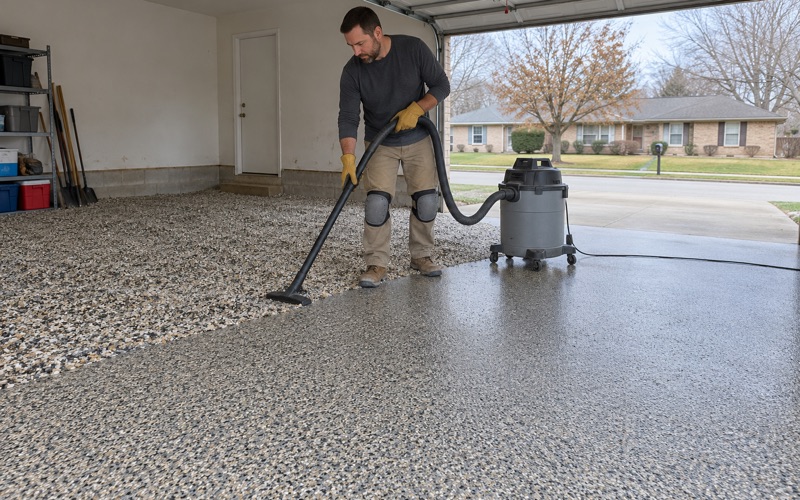
The art is in the size and the density of the broadcast. Too coarse and the deck scrapes heels and holds dirt in a way a custodian cannot mop out; too fine and the topcoat buries the grit until the texture is gone. We agree the texture on a wetted sample before a broadcast rate goes in the proposal, so the owner feels the finish before it is built. No coating eliminates falls, and we say that plainly, but the right aggregate gives a wet foot something to hold.
Looking for epoxy-flooring closer to Lyons? See Epoxy-Flooring Services in Lyons.
Humid, Chlorinated Air and What It Does to a Finish
The same manufacturer’s project article put the problem in one line: a natatorium’s high humidity and chlorine vapors are hard on coatings. Above the waterline the air never dries out, and the deck coating spends its whole life under a film of condensation that carries whatever the water carries. A finish chosen for a dry garage is not built for that.
A system built in layers
The deck in that article was not a single coat. It ran a moisture-tolerant epoxy primer, a flexible epoxy underlayment, a flake-filled epoxy topping, a modified novolac clear coat and a chemical-resistant urethane finish coat. Each layer does one job: the primer bonds, the flexible underlayment gives the film a little give, the topping builds body, and the two clear layers stand between the resin and the air.
We would not copy that build line for line onto another deck without reading the slab first, but it shows the logic we follow. A pool deck system is written from the top down, starting with what the air and water will do to the surface, and only then working back to what the concrete needs.
Where amine blush and cure timing matter
Epoxy curing in humid air can develop amine blush, a waxy film on the surface that weakens the bond of the next coat if it is not washed off. On a deck that never sees dry air, we plan recoat windows around measured conditions, checking the dew point spread at the slab surface rather than trusting the calendar. A coat that goes down too close to the dew point traps moisture and fails early, which is exactly the kind of failure a moisture exclusion is written for.
Topcoats that hold up
Urethane finish coats and polyaspartic topcoats each have a place on wet floors, and the choice depends on the system the manufacturer has tested for the environment. We name the topcoat in writing so an owner knows which product will face the chlorinated air years from now.
The topcoat also sets how the aggregate behaves. A thin finish leaves the grit proud and sharp, while a heavy one rounds it over, so the two are specified together rather than one after the other. On a deck where custodians scrub daily, we also look at how the texture will clean, because a surface that holds grime soon becomes a surface nobody wants to walk on.
A Primer for a Slab That Is Never Fully Dry
On a wet floor, a failing coating usually lets go from underneath, not from the top. A slab that holds water pushes vapor up into the bond line, and an ordinary primer lets go. That is why the deck in the published project started with a moisture-tolerant epoxy primer instead of a standard one.
Testing before choosing
Moisture testing is how we decide which primer a floor needs. We run ASTM F2170 in-situ relative humidity probes where the slab allows drilling, ASTM F1869 calcium chloride tests for vapor emission, and an ASTM D4263 plastic sheet test as a quick first read. The numbers go into the proposal, and they decide whether a moisture-mitigation primer is part of the build.
Warranty exclusions are read out before a job is sold, and moisture is named first. On a floor that lives wet, that conversation is the most honest part of the quote. A coating is a film that follows the slab under it, and it will not stop cracks from moving or water from rising, so we never sell one as waterproofing.
Reading the slab and the old coating
Before we quote any deck or wet room, we read the cracks and whatever coating is already down. If the slab needs repair before it can take a system, we say so in plain terms and price the repair separately. Grinding to an ICRI CSP profile suited to the primer is the step that lets that primer grip, and skipping it is how a new deck peels in its first season.
The residential echo
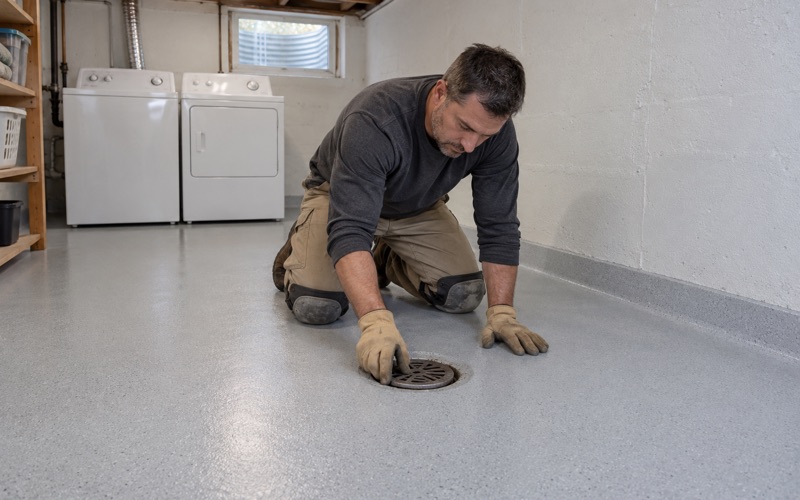
The same rules apply on a smaller scale to a basement shower room or a pool-house floor at home. Water, warmth and bare feet are the whole problem in both, and the answers are the same: a tested slab, a primer matched to the reading, and broadcast aggregate where people stand barefoot. A home slab also brings its own question a school deck may not: whether a vapor retarder was ever placed under it, which we test for instead of assuming.
Fitting Deck Work Around a School and a Swim Calendar
A pool deck used by a school and by the public cannot be closed on a contractor’s schedule. Weekday classes, team practice and the Sunday and Thursday open swims all compete for the same hours, and a coating system with several layers needs uninterrupted time to grind, prime, build and cure.
Planning the windows
We schedule commercial floors around the hours a building must stay open, including overnight and between-event windows, and a natatorium is the clearest example of why. Any facility owner in that position should plan deck work around the gaps their own calendar allows, then let the measured cure, not the calendar, decide when the deck reopens. A layer that is walked on early or flooded too soon is a layer that has to be ground off and redone.
LTHS has its own capital program, Groundwork for a Brighter Future, about $40 million over 2024-26 across both campuses, with North Campus projects starting in summer 2025. The published scope we have read covers classrooms and air conditioning, not the pool, and we mention it only because large school programs are where wet-floor work is usually sequenced.
Permits, products and paperwork
The Village of La Grange issues its own building permits, and its permit page does not mention floor coatings, so we ask the permit desk before a job whether a coating counts as decorating or needs a permit. We choose coatings within the Illinois VOC limits under 35 Ill. Adm. Code Part 223, which bind the installer as well as the manufacturer.
For a home job, every client gets a written contract and the Home Repair: Know Your Consumer Rights pamphlet before work starts, as the Illinois Home Repair and Remodeling Act requires. Illinois issues no state license for flooring work, so we confirm the village’s own registration, bond and insurance rules before a crew is scheduled.
- 20+ Years Coating Concrete
- Moisture Testing in Every Scope
- Written Contract on Every Home Job